

tHE ROMULUS KINGDOM
Unus pro omnibus omnes pro uno
(One for all, all for one!)
Art World Power

Warrior Essays
NFT as Culture
NFT as Culture

Featured Art Of The Week


Thoughts On Fire
Sale Price:
US$1.99
Original Price:
US$4.99
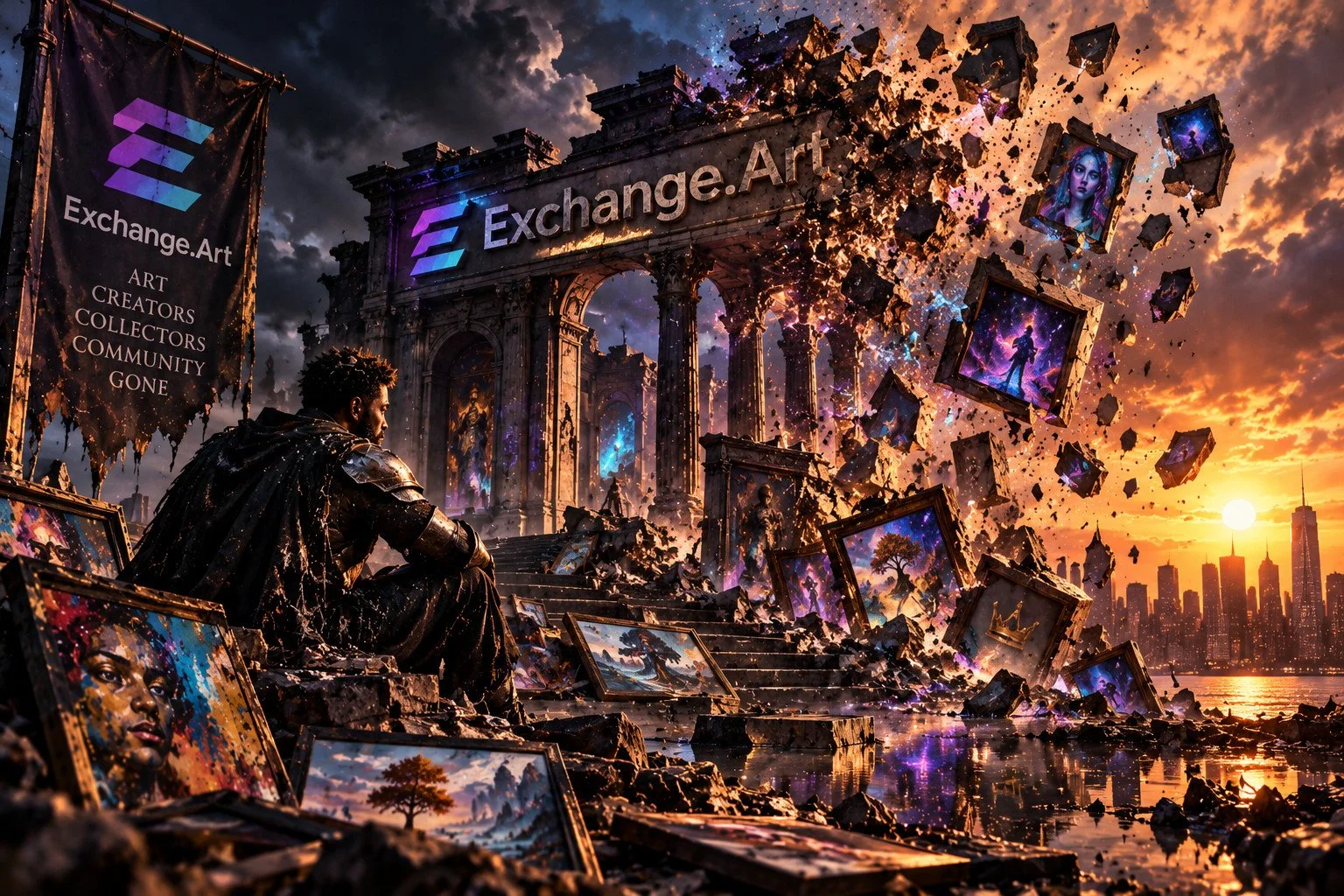
Are your thoughts the focus of your pain. Do the burn the inner boroughs of your subconsciousness? Thoughts on Fire... Will they remain?

MY MERCH
Kindly check out my merch, The best t-shirts and mugs that fit your style
COMING SOON!




I have spent years talking with artists, collecting their work, watching their journeys and developing genuine friendships with many of them. Some of these relationships began with nothing more than a post on X. I saw a piece of art that stopped me from scrolling, clicked on the artist's profile and eventually found myself following their journey. Over time, I have watched artists experiment with new styles, celebrate sales, struggle through creative blocks, disappear for months, return stronger, question themselves and sometimes wonder whether continuing to create is financially possible.
Through those experiences, I have learned something about the art world that doesn't get discussed nearly enough. We love art. I'm not always convinced we love supporting artists. We celebrate creativity. We tell artists their work is beautiful. We repost their paintings. We compliment their talent. We tell them they should never stop creating. But art cost money; ir cost money to get paint, canvas, equipment, software subscriptions… It all cost money!
That is why a recent announcement from New York City caught my attention. New York is doubling the maximum amount available through city-funded grants for individual artists and small arts organizations from $5,000 to as much as $10,000, marking the first increase in roughly two decades. The initiative is designed to provide greater financial support to painters, musicians, filmmakers, writers, dancers and other working creatives across the five boroughs.
At first glance, this might seem like a relatively small arts-policy announcement. I believe it represents something much bigger. It forces us to confront an uncomfortable question about the city that proudly calls itself one of the cultural capitals of the world:
Can the artists who make New York culturally important still afford to live and create here?