
tHE ROMULUS KINGDOM
Unus pro omnibus omnes pro uno
(One for all, all for one!)
Guides
LATEST News
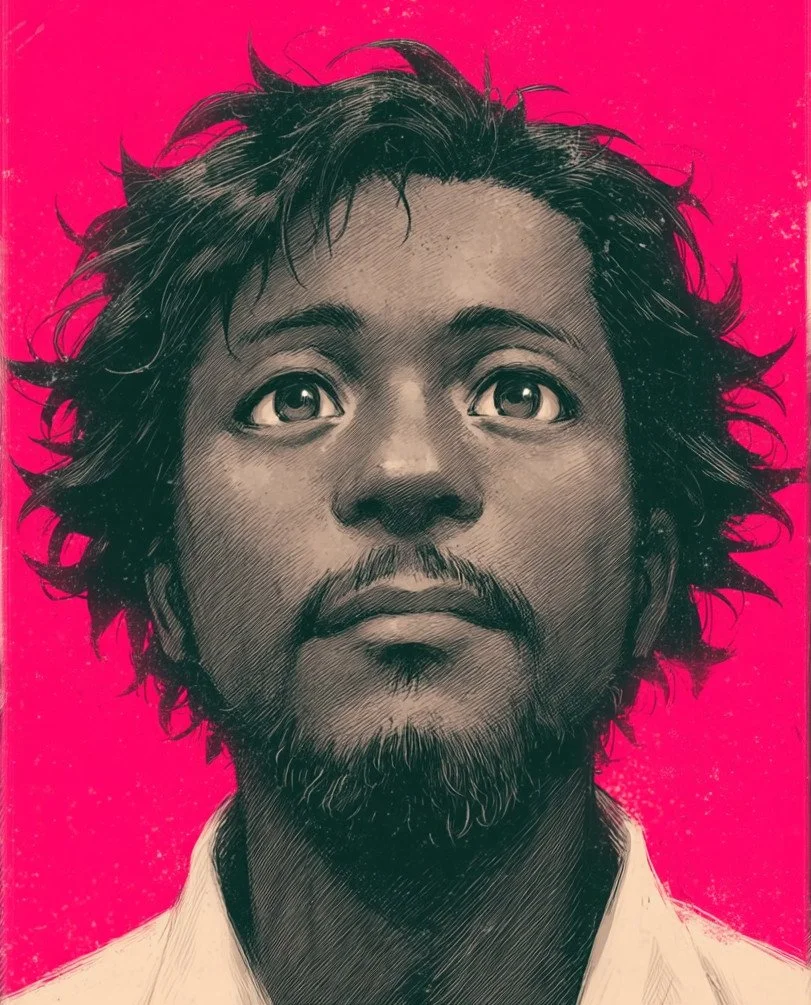
Today, we step into a moment bigger than art, bigger than accolades, bigger than any single institution’s approval. Today, we witness history being carved by the hands of a man who understands the power of material, memory, and reclamation. Ibrahim Mahama, the Ghanaian artist known for transforming discarded objects into monumental installations, has just become the first African ever to top ArtReview’s annual Power 100 list—a ranking of the most influential figures shaping contemporary art across the globe.
Every empire rises with genius and falls with time.
Every bastion of culture eventually faces its reckoning.
Today, we stand witness to another monumental shift in the ever-changing battlefield of the art world: Sperone Westwater — one of New York’s most legendary galleries — announced it will close its doors after fifty years.
Five decades of influence, innovation, and prestige… gone.
If this feels familiar, it’s because I’ve already warned you, Warriors.
In my article When the Storm Hit the Art Market, I wrote about the seismic waves shaking the gallery world — closures in NYC, collapses across continents, and the end of the white-cube empire style of exhibiting art. That article wasn’t a prophecy.
Greetings Warriors!
Every so often, the art world trembles.
Not because of controversy.Not because of scandal.Not because of hype or trends.
But because an old master rises again — louder, stronger, and more undeniable than before.
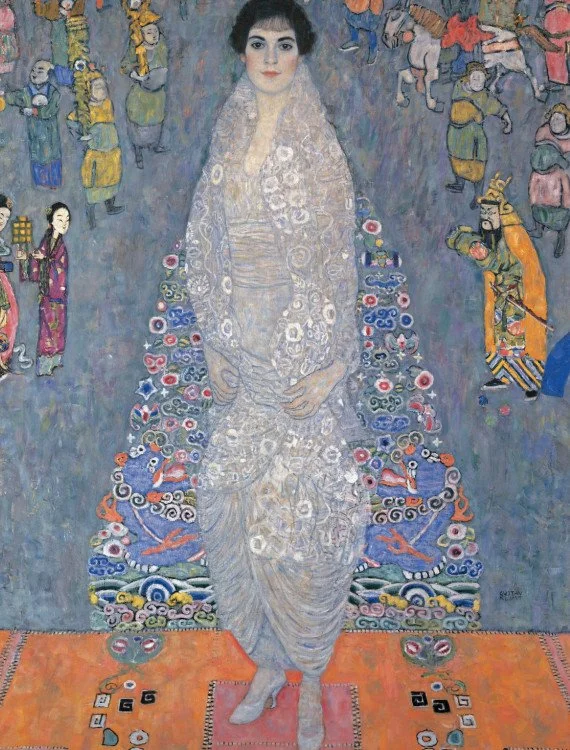
This week, the world watched Gustav Klimt’s “Portrait of Elisabeth Lederer” break records at Sotheby’s, selling for $236.4 million, instantly becoming the second-most expensive artwork ever sold at auction. A number that didn’t just shake the room — it rattled the entire foundation of what we think we know about art, legacy, and value in 2025.
Some weeks come and go quietly. This was not one of those weeks.
Harlem — a sacred battleground of culture, rhythm, resistance, and renaissance — just witnessed a resurrection. The Studio Museum in Harlem, one of the most important institutions in Black art history, has finally opened the doors of its bold, long-awaited new home on 125th Street.
And Warriors… this isn’t just an architecture story.
This is a soul story.
A story of survival.
A story of communities refusing to vanish.
We’ve all sat before a painting and nodded politely. But lately something deeper calls: we don’t just want to look at art — we want to walk into it, become it. The shift toward immersive art is not just aesthetic—it’s a cultural hunger. As noted by Time-Out’s roundup of “incredible immersive experiences to do in NYC” the demand is for “art as fully physical, synesthetic experience.”
oday, I write not from the battlefield of creation but from the uneasy quiet that comes before a storm.
I’ve watched policy drafts turn into shackles. I’ve seen speeches dressed as decrees. And now I fear we are witnessing a war not of armies, but of ideas — a war on art itself.
The new wave of political control washing through America’s institutions feels deliberate. It’s not just budget cuts or bureaucratic tinkering. It’s a philosophy — one that views art not as expression, but as a threat.
Paris — October 19th, 2025.The Louvre slept beneath a velvet sky, her marble corridors quiet, her treasures breathing in the dark. But sometime between the silence of midnight and the pale blue of dawn, a new kind of masterpiece unfolded — one painted not with brushstrokes, but with precision, nerve, and darkness.
In less than eight minutes, thieves breached one of the most guarded institutions in the world and stole what no artist could ever recreate: fragments of France’s soul.
Every empire thinks it will last forever — until the storm comes.
You can hear it before it hits: the quiet panic in polished halls, the nervous smiles at champagne-soaked openings, the sound of art dealers whispering prayers to the gods of liquidity.
But storms don’t come to destroy. They come to cleanse.
To strip away the rot.
To remind us what is real.
The stage was set for a masterpiece.
Palazzo Tarasconi in Parma had just opened its grand doors to Dalí, Between Art and Myth, a tribute to the mind-bending legacy of Salvador Dalí. Tourists poured in, cameras ready, whispers of surreal magic floating through marble halls.
The battlefield isn’t always a distant desert or a blood-soaked shore. Sometimes it is a wall, a can of spray paint, and an idea sharp enough to slice through the armor of power. This week, that battlefield stood in the heart of London—the Royal Courts of Justice, a Victorian Gothic fortress built for law, order, and authority. And onto its stone skin, Banksy—the ghost warrior of our age—etched his rebellion: a mural of a judge in full regalia, wig flowing, gavel raised, beating a protester into silence.
Featured Art Of The Week
MY MERCH
Kindly check out my merch, The best t-shirts and mugs that fit your style
COMING SOON!